Powering Your World: A Deep Dive into Types of Solar Generators & Their Versatile Applications
Imagine a world where power outages don't mean a scramble for candles, where your outdoor adventures are always charged, and where you're less reliant on traditional grids. That future is here, powered by solar generators—smart, silent energy hubs that capture sunlight, store it, and unleash it on demand. More than just gadgets, these systems represent a fundamental shift towards clean, reliable, and independent energy. But with a growing market, understanding the various types of solar generators and their applications is key to making the right choice for your needs.
Ready to explore how these remarkable devices can transform your energy landscape? Let's break it down.
At a Glance: Your Solar Generator Essentials
- What they are: Devices that convert sunlight into electricity, store it in a battery, and then convert it into usable AC power for your appliances.
- Core Components: Solar panels, a charge controller, a battery, and an inverter.
- Key Types: Range from compact portables for camping to heavy-duty backup systems for entire homes.
- Why choose them: Eco-friendly, quiet, low maintenance, and offer energy independence.
- Key considerations: Battery capacity (Wh/kWh), power output (W), portability, and battery cycle life.
The Inner Workings: How Your Sunshine Harvests Power
At its heart, a solar generator is a miniature, self-contained power plant. It leverages the photovoltaic effect, where solar panels (the workhorses) capture sunlight and convert it into direct current (DC) electricity. This DC then flows to a charge controller, a vital component that prevents overcharging and optimizes battery health, adapting to different battery chemistries like the popular lithium-ion or robust LiFePO4.
Once regulated, the electricity fills the battery, becoming stored energy. When you need power for your devices—say, to run a blender or charge your laptop—the inverter steps in. This intelligent component transforms the battery's stored DC electricity into alternating current (AC), the standard power type used by most household appliances. Advanced models even include circuit breakers for an extra layer of safety, stopping connected devices from drawing too much electricity and potentially causing damage. It's a seamless dance between sun, silicon, and circuitry, all orchestrated to keep your world running.
Unpacking the Powerhouse: Core Components and Their Roles
Understanding what makes a solar generator tick helps you appreciate its capabilities and identify quality. Each part plays a crucial role:
- Solar Panels: These are your energy collectors. They're typically either monocrystalline (more efficient, better in low light) or polycrystalline (more budget-friendly). You'll find them as rigid, permanent installations or lightweight, portable/foldable versions.
- Charge Controller: This smart guardian manages the flow from your panels to your battery. It's like a traffic cop, ensuring your battery doesn't get overwhelmed and lives a long, healthy life.
- Battery: The heart of the system, storing all that harvested energy. Lithium-ion is a common choice for its efficiency and lifespan, while Lithium-iron-phosphate (LiFePO4) offers even greater longevity and safety. Capacity is measured in Watt-hours (Wh) or Kilowatt-hours (kWh).
- Inverter: The translator, turning the battery's DC power into the AC power your gadgets crave (typically 110V or 240V). Its quality determines how smoothly and efficiently your devices run.
- Circuit Breaker (Advanced Models): A safety net, preventing overloads and protecting both your generator and your connected electronics.
Finding Your Fit: Classifications of Solar Generators and Their Best Uses
The world of solar generators isn't one-size-fits-all. They come in various sizes and capacities, each designed for specific scenarios. Think of it less like choosing a car and more like choosing the right tool for the job.
1. Portable Solar Generators: Your Grab-and-Go Power Buddy
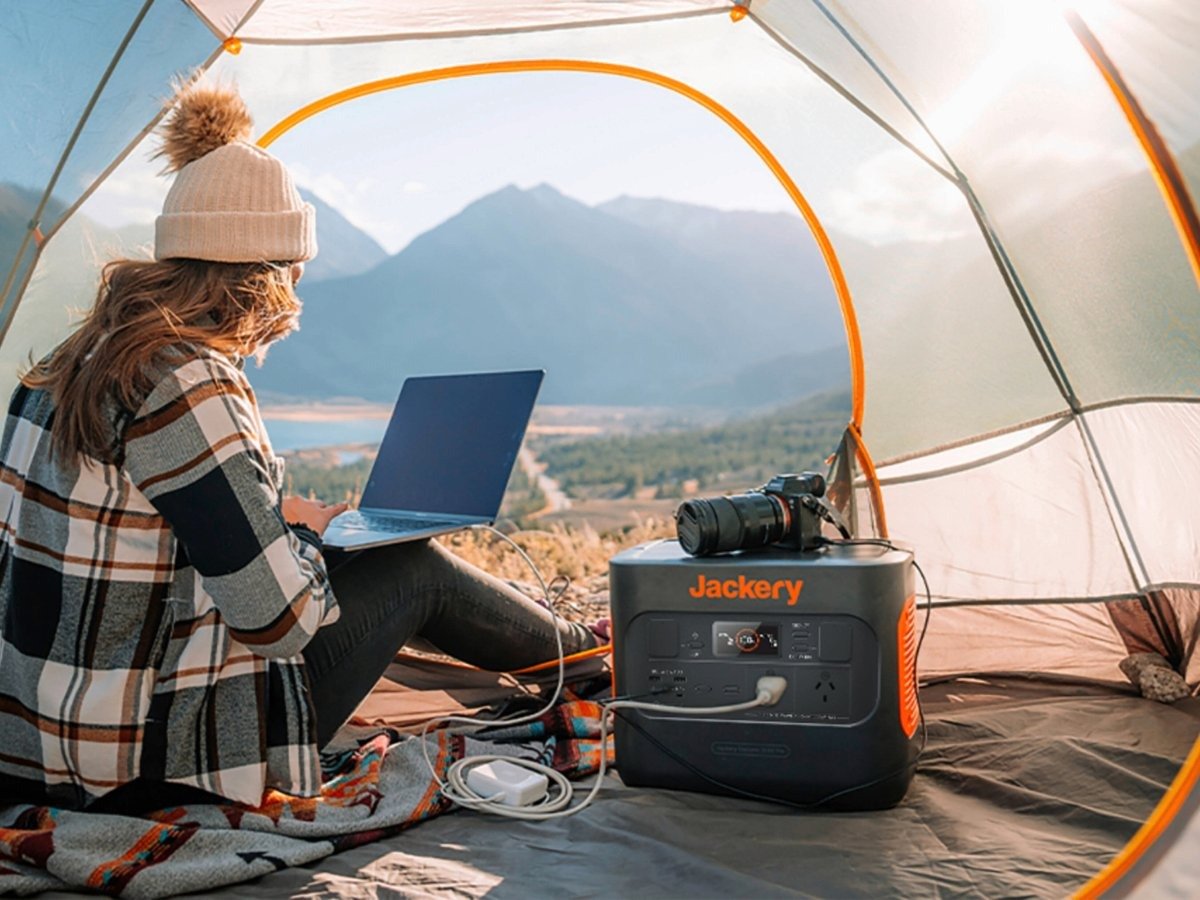
These are the nimble adventurers of the solar world. Compact, lightweight, and often equipped with handles, they're built for easy transport and quick deployment.
- Characteristics: Imagine a sturdy cooler, but filled with watts instead of ice. They're designed for mobility.
- Typical Uses: Perfect for a day at the park, powering your gear on a camping trip, keeping your drone charged on a construction site, or ensuring your phone and laptop stay alive during short excursions. If you rely on a CPAP machine while camping, a portable unit with at least 500Wh is a must.
- Battery Capacity: Generally in the 200-600Wh range. A 300Wh unit is great for lightweight camping needs.
- AC Output: Expect continuous output between 200-600W, with surge capabilities from 400-1,200W for starting smaller motors.
- Recharging Input (Max): Typically accepts 60-200W from solar panels.
- Price Range: $200-$500, making them an accessible entry point into solar power.
2. Mid-Sized Power Stations: The Versatile Workhorses
Stepping up in power and endurance, mid-sized power stations strike a balance between portability and robust capability. They’re still manageable for one or two people to move but pack a significant punch.
- Characteristics: These units offer more outputs and a larger battery, often with more sophisticated display interfaces. They start to look like serious pieces of equipment.
- Typical Uses: Ideal for short-term home backup during minor power outages, powering a small outdoor gathering, or running a wider array of common home appliances like a mini-fridge, TV, or power tools. They're excellent for keeping multiple devices charged simultaneously.
- Battery Capacity: You'll typically find them in the 600-1,500Wh sweet spot.
- AC Output: Continuous power output ranges from 600-2,000W, with surge potential reaching 1,200-4,000W.
- Recharging Input (Max): Can handle 200-800W from solar panels, meaning faster recharges.
- Price Range: $500-$2,000, reflecting their increased power and versatility.
3. Standalone / Solar Backup Generators (Heavy Duty): The Home's Energy Fortress
When you need serious, sustained power, these heavy-duty systems are what you're looking for. They’re built for resilience and often form the backbone of off-grid living or comprehensive home backup strategies. They're robust, larger, and designed for more permanent or critical installations, often expandable with additional batteries. For anyone considering serious energy independence or a reliable emergency plan, exploring Solar power generators in this category is a must.
- Characteristics: These aren't just portable boxes; they are significant units, sometimes resembling small appliances. They feature larger solar panel inputs and greater storage, built to weather demanding use.
- Typical Uses:
- Home Backup: Keeping essential appliances running during extended outages—think refrigerators, freezers, medical devices, and even some HVAC components.
- Partial Home Appliance Backup: Powering specific circuits in your home, allowing you to prioritize critical loads.
- Off-Grid Living: Providing the primary power source for cabins, RVs, remote workshops, or small commercial spaces.
- Peak Load Shifting: For grid-tied homes, using stored solar energy during expensive peak utility hours to save on electricity bills.
- Emergency Power: Critical during natural disasters when grid power is compromised.
- Battery Capacity: Starting around 1,500Wh and scaling up to 4,000+Wh, with many systems allowing for expansion batteries to boost capacity further.
- AC Output: Continuous output typically ranges from 2,000-3,600W, with surge capabilities often reaching 4,000-7,200W. If your inverter's peak capacity exceeds 4,000W, a 12 gauge wire is recommended for GFCI outlets to handle the load safely.
- Recharging Input (Max): Designed to accept substantial solar input, often 800-2,400+W, ensuring faster recovery after heavy use.
- Price Range: $2,000-$6,000+, representing a significant investment for significant power.
Powering the Panels: A Quick Look at Solar Panel Types
While often bundled with generators, understanding solar panels themselves gives you insight into efficiency and durability.
- Monocrystalline Cells: These sleek, black panels are made from a single silicon crystal. They're generally more efficient, especially in lower light conditions, and thus often come with a higher price tag.
- Polycrystalline Cells: Composed of multiple silicon fragments, these panels have a bluish, mottled appearance. They're typically less costly to produce and are a good value option.
- Rigid Solar Panels: Heavy, durable, and designed for permanent mounting on rooftops (homes, RVs, sheds). They're built for year-round outdoor exposure and usually come with impressive 10-25 year warranties.
- Portable/Foldable Solar Panels: Lightweight and easy to set up and take down, these are ideal for "on-the-go" charging, like during a camping trip or a temporary job site setup.
The Sunny Side: Advantages of Embracing Solar Generators
Switching to solar power isn't just a trend; it's a smart move with tangible benefits that span environmental, economic, and practical considerations.
Environmental Champions
- Zero Emissions: Solar generators produce no harmful fumes, unlike their gas-powered counterparts, meaning cleaner air for everyone.
- Reduced Carbon Footprint: By harnessing the sun's energy, you actively contribute to reducing carbon pollution and combating climate change.
- Renewable Resource: Sunlight is abundant and inexhaustible, making it a truly sustainable energy source.
- Quiet Operation: Without internal combustion engines, solar generators operate silently, preserving the peace and quiet of your environment.
Economic Smart Choices
- Lower Operating Costs: After the initial purchase, the "fuel" (sunlight) is free, drastically cutting long-term operating expenses compared to buying gasoline.
- Minimal Maintenance: With fewer moving parts, solar generators are robust and require significantly less upkeep, reducing maintenance costs and hassles.
- Potential Incentives: Depending on your location, you might be eligible for tax credits, rebates, or other incentives for investing in renewable energy.
Reliability and Versatility You Can Count On
- Dependable Power: Solar generators offer a consistent power source with minimal risk of mechanical failure.
- User-Friendly: Generally, they're plug-and-play devices, simple to operate even for novices.
- Broad Applications: From keeping your phone charged on a camping trip to powering essential home appliances during an outage, their utility is vast. They're equally at home in residential, commercial, emergency, or recreational settings.
Choosing Your Power Partner: Key Performance Metrics & Selection Factors
Ready to pick out your solar generator? Don't just grab the first shiny box you see. A few critical metrics and considerations will guide you to the perfect match.
Performance Metrics that Matter
- Capacity (Wh/kWh): This tells you how much energy the battery can store. Think of it as the size of your fuel tank. Higher capacity means more devices powered for longer durations.
- Power Output (W): This indicates how much electricity the generator can provide at any given moment. It's crucial to distinguish between:
- Continuous Output: The steady power it can supply.
- Surge/Peak Output: The temporary burst of power needed to start appliances with motors (like refrigerators or power tools). Ensure this meets your appliances' starting demands.
- Efficiency: Especially for your solar panels, efficiency measures how well they convert sunlight into usable power. Monocrystalline panels are generally more efficient, meaning they generate more electricity even under varying light conditions.
- Lifespan & Battery Cycle Life: The quality of materials dictates how long your generator lasts. For batteries, lifespan is often measured in "charge cycles" (e.g., 500 cycles to 80% original capacity). LiFePO4 batteries lead the pack here, offering the longest cycle life and thus better long-term value. A good warranty is often a solid indicator of expected lifespan.
Factors for Smart Selection
- Calculate Your Power Needs: Before anything else, list all the devices you plan to power and their individual wattages. Sum them up to get a clear picture of your total power requirements and how long you need them to run. This will directly inform the battery capacity and inverter output you need.
- Consider Portability & Maneuverability: Will it stay in one place or travel with you? Look at size, weight, and features like sturdy handles or wheels for ease of transport.
- Balance Cost with Value: While gas generators might have a lower upfront cost, remember the long-term savings on fuel and maintenance with solar. Invest in quality that aligns with your budget and expected usage.
- Brand Reliability & Warranty: Stick with established brands known for quality products and excellent customer support. A robust warranty offers peace of mind.
- Inverter Rating: Double-check that both the continuous and surge output ratings of the inverter meet or exceed the requirements of your most demanding appliances.
- Solar PV Input: This tells you the maximum wattage your generator can accept from solar panels. A higher input wattage, combined with a suitable battery capacity, means faster recharging times. For instance, a 576Wh battery with a 200W max solar input could recharge in approximately 2.88 hours under ideal conditions. Don't forget to check voltage and amperage limits.
- Power Output Options: Ensure the generator has the specific ports you need—USB-A, USB-C (fast charging?), AC outlets, DC ports, and perhaps even an RV port for specialized applications. Wireless charging pads are a nice bonus on some models.
- Battery Cycle Life: As discussed, a higher number of charge cycles translates to a longer-lasting battery and better return on investment over time.
- Extra Features: Modern solar generators boast smart features like WiFi integration for remote monitoring via an app, advanced LCD displays (some touchscreens!), and various safety protections. These can significantly enhance user experience.
Setting Up and Keeping It Running: Installation & Maintenance Basics
Even the most robust solar generator benefits from proper setup and a little TLC. These guidelines ensure safe, efficient, and long-lasting performance.
Smart Setup for Optimal Performance
- Location, Location, Location: For your solar panels, choose a spot with maximum, unobstructed sunlight exposure throughout the day. South-facing (in the Northern Hemisphere) and an optimal tilt angle are key.
- Secure Mounting: Mount your solar panels securely to prevent wind or accidental damage.
- Careful Wiring: Connect all wiring according to the manufacturer's instructions. Incorrect wiring can be inefficient or dangerous.
- Stable Generator Unit: Place the main generator unit on a stable, level surface. Elevate it slightly if possible to protect against potential water damage from rain or spills.
- Check Connections: Before powering up, double-check all connections to ensure they are tight and correct.
Safety First, Always
- Protective Gear: Always wear protective gear like gloves and goggles when handling electrical components, especially during initial setup or maintenance.
- Proper Grounding: Ensure all components are properly grounded to prevent electrical shocks.
- Ventilation: Maintain adequate ventilation around the generator unit to prevent overheating, especially during heavy use or recharging.
- Flammable Materials: Keep flammable liquids or materials away from your solar generator.
- Dry Conditions: Avoid working on or with the generator in wet conditions.
Routine Maintenance for Longevity
- Panel Cleaning: Regularly clean your solar panels (every few months, or more often in dusty areas) to remove dirt, dust, and debris. This maintains maximum efficiency. A soft brush and water usually suffice.
- Connection Checks: Periodically inspect all wires and connections for signs of wear, corrosion, or damage. Tighten any loose connections.
- Battery Health: While modern batteries are largely maintenance-free, monitor your battery's performance. If capacity noticeably diminishes, it might be time for a replacement.
- Firmware Updates: For generators with smart features, check for and install any firmware or software updates to ensure optimal performance and security.
Real Talk: Limitations of Solar Generators
While revolutionary, solar generators aren't a magic bullet for every power need. Understanding their limitations helps set realistic expectations.
- Limited Output for Whole-Home Power: Most portable and even mid-sized solar generators aren't designed to replace your entire home's grid connection. Achieving whole-home power requires extensive, complex, and often expensive systems involving permits and professional contractors. For high-demand, instantaneous power needs, a gas generator might still be a useful supplement, especially in critical, short-term situations.
- Higher Upfront Cost: Generally, the initial investment in a solar generator is higher than for a comparable gas generator. However, this cost is often offset by the long-term savings on fuel and maintenance.
- Not Instantly Recharged: Recharging a solar generator depends entirely on sunlight. Factors like intensity, angle, and weather conditions dictate charging speed, meaning it can take several hours to fully replenish. Cloud cover or short daylight hours significantly impact power production. While they store power, they aren't an instant fuel-up like a gas generator, making strategic storage of backup power crucial, especially in areas with frequent cloudy days.
Go Your Own Way: Building a DIY Solar Generator
For the hands-on enthusiast, constructing your own solar generator offers unique benefits—and the satisfaction of creating your own power solution. It allows for customisation, deeper understanding, and can often lead to significant cost savings.
Why Go DIY?
- Cost Savings: Potentially much cheaper than buying a pre-built commercial unit of similar capacity.
- Customization: Tailor the power output, battery capacity, and port options precisely to your specific needs.
- Self-Repairability: Understand every component, making troubleshooting and repairs easier.
- Enhanced Safety (No Fumes): Enjoy clean, silent power generation without the risks associated with fuel combustion.
- Educational Value: A fantastic learning experience in basic electronics and renewable energy.
Essential Components for Your DIY Build
- Rugged Case: Look for waterproof, weatherproof, and well-ventilated options. A wheeled case can enhance portability.
- AC Solar Power Inverter: Crucial for converting DC to AC. Ensure it has overload protection.
- Solar Charge Controller: Essential for battery health. Choose a moisture-proof model if planning for portable use.
- High-Quality Solar Panels: Consider lightweight, foldable panels for portability, or rigid panels for a more permanent setup.
- Batteries: Deep-cycle lead-acid are budget-friendly, while lithium-ion or LiFePO4 offer superior longevity and performance.
- Battery Maintainer: A small device to keep your battery optimally charged when not in use.
- AC/DC/USB Ports: Easy-access outlets for your devices.
- Additional Cables: Including MC4 connectors for solar panels, and appropriate gauge wires for internal connections.
Tools You'll Need
- Utility knife
- Files (for smoothing cut edges)
- Cordless drill (with various bits)
- Automatic wire stripper
- Hot glue gun (for securing small components)
- Flat/Torx screwdrivers
Step-by-Step DIY Build
- Determine Your Energy Needs: This is your blueprint. Calculate the total wattage of all devices you intend to power (e.g., smartphone: 6-10W, laptop: 50-120W, coffee machine: 1,000W). This informs your battery and inverter choices.
- Test Equipment: Before assembly, perform a quick bench test of all major components (panels, charge controller, battery, inverter) to ensure they are functional.
- Build It!
- Prepare the Case: Mark and carefully cut holes for all accessible outlets (AC, DC, USB). Use a file to smooth the edges.
- Mount External Components: Secure outlets and any external connectors using screws and bolts. Apply silicone sealant where gaskets aren't present to maintain weatherproofing. If your inverter's peak capacity exceeds 4,000W, use a 12 gauge wire for GFCI outlets.
- Mount the Battery: Position the battery securely, ideally in a corner closest to any case wheels for balanced weight distribution. Use straps or brackets to prevent movement.
- Position Inverter: Mount the solar power inverter near your outlets and where its heavy-gauge battery cables can easily reach the battery.
- Mount Charge Controller & Maintainer: Mount the solar charge controller and the AC battery maintainer in accessible, well-ventilated spots.
- Wire Everything Up:
- Connect your outlets to the inverter.
- Use 12 AWG wire for inverter-to-battery and battery-to-charge controller connections.
- Plug your solar panel into the charge controller (using 12 AWG wire for this connection as well).
- Install Fuses: This is crucial for safety. Install three fuses: one between the solar panel and the charge controller, one between the charge controller and the battery, and one between the battery and the inverter. These act as critical circuit breakers.
Building your own solar generator is a rewarding project that demands patience, meticulous planning, and a commitment to using quality components. But the result is a truly personalized, reliable power source you can depend on.
The Power of Choice: Moving Forward with Solar
From lightweight portable units that fuel your weekend escapes to robust backup systems that ensure your home remains illuminated and operational during an outage, the versatility of solar generators is undeniable. We've explored the silent efficiency of their core components, categorized the primary types by their applications, and armed you with the knowledge to evaluate performance metrics and make informed decisions.
While they may not instantly recharge or replace every grid function for every home, solar generators offer a compelling pathway to energy independence, environmental stewardship, and reliable power. Whether you're a seasoned off-grid adventurer or simply seeking peace of mind for the next power disruption, understanding the types of solar generators and their applications empowers you to choose the right solution for a brighter, more sustainable future. The sun is shining, and your power is waiting.