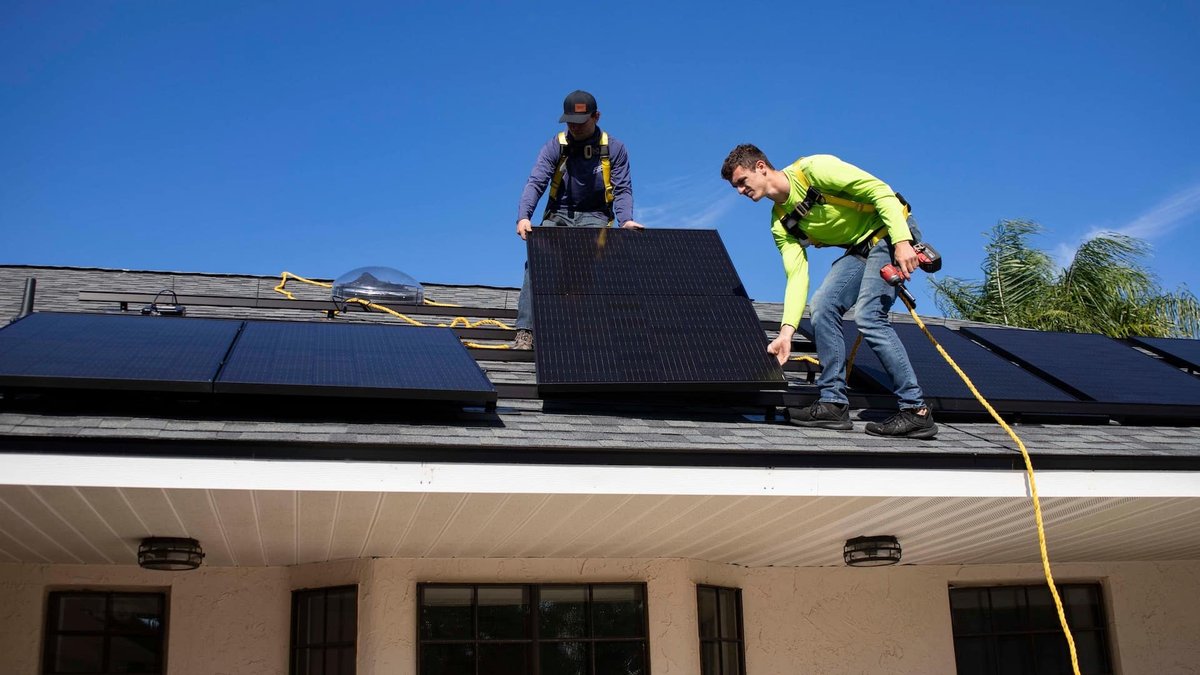
When you think about taking control of your power, ensuring resilience against outages, or simply embracing a greener lifestyle, a solar generator system often comes to mind. But truly harnessing its potential isn't just about plugging it in; it’s about a thoughtful approach to Installation, Setup & Maintenance of Solar Generators that ensures optimal performance and a long, reliable life. Think of it as nurturing a valuable investment that delivers clean, cost-saving energy, significantly reducing your reliance on fossil fuels and shrinking your carbon footprint.
This isn't just a technical manual; it's your comprehensive guide, designed to walk you through every critical step—from the initial spark of an idea to the satisfying hum of a perfectly running system. We’ll cover everything you need to know, making the complex simple and empowering you to set up and maintain your solar generator with confidence.
At a Glance: Your Solar Generator Journey
- Plan meticulously: Calculate your exact energy needs to choose the right generator size.
- Safety first: Always read manuals and wear protective gear during installation.
- Sun is key: Select an installation spot with maximum, unobstructed direct sunlight.
- Secure connections: Ensure all wiring is tight, correct, and matches specifications.
- Monitor and clean: Regular panel cleaning and system checks prevent efficiency drops.
- Battery care: Proper placement and maintenance extend battery lifespan.
- Know your system: Understand its components—solar panels, charge controller, inverter, and battery bank.
Understanding Your Power Partner: The Solar Generator System
At its core, a solar generator is an integrated system designed to capture solar energy, convert it into usable electricity, and store it for when you need it most. It’s a powerful tool for reliable backup during outages, off-grid living, or simply powering remote setups.
Every solar generator system typically comprises four key players:
- Solar Panels: These are the workhorses, absorbing sunlight and converting it into DC (direct current) electricity.
- Charge Controller: This smart guardian regulates the flow of electricity from the solar panels to the battery bank, preventing overcharging and protecting your batteries.
- Battery Bank: The energy reservoir, storing the DC electricity generated by the panels for later use, especially when the sun isn't shining.
- Inverter: Your system's translator, converting the stored DC power from the batteries into AC (alternating current) electricity, which is what most of your household appliances use.
Together, these components create a robust, self-sufficient power solution. But like any powerful tool, its effectiveness hinges on proper setup and consistent care.
The Blueprint for Power: Installation Steps You Can Master
Installing a solar generator might seem daunting at first glance, but by breaking it down into manageable steps, you'll find it's a rewarding process. We'll guide you through each stage, emphasizing safety and efficiency.
Step 1: Planning Your Solar Journey & Getting Acquainted
Before a single wrench turns, careful planning is paramount. This foundational step ensures you select the right system and are fully prepared for the task ahead.
Determine Your Energy Needs: What Will You Power?
This is where your solar journey truly begins. Grab a pen and paper (or a spreadsheet) and list every appliance you plan to power with your solar generator. For each item, note its wattage (how much power it consumes) and how many hours per day you expect to run it.
- Calculate daily watt-hours: Multiply each appliance's wattage by its daily run time. Sum these up for your total daily energy consumption.
- Factor in peak wattage: Some appliances (like refrigerators or power tools) have a higher "surge" wattage when they first start. Your generator needs to handle this peak.
- Think future-proof: Consider any appliances you might add later. It’s usually more cost-effective to size up slightly now than to upgrade a system later.
- Capacity considerations: Look at the generator's battery storage (in Watt-hours or Amp-hours), its continuous output (in Watts), and peak surge capacity. Portability, charging options (AC, car, other solar panels), and the types of output ports (USB, AC outlets) are also crucial decision points. Balance upfront cost with long-term quality and functionality.
Inventory Components & Tools: No Surprises
Unpack everything and perform a thorough check. Ensure all components listed in your generator's manual are present and undamaged. This includes solar panels, the battery bank, charge controller, inverter, and all necessary cables and connectors.
Next, gather your toolkit. While specific tools might vary, a basic list often includes:
- A drill with appropriate bits for mounting
- Screwdriver set (Phillips and flathead)
- Wrench set
- Measuring tape
- Level
- Safety gloves and eye protection (goggles are non-negotiable)
- Wire cutters/strippers (if custom cabling is needed)
- Multimeter (invaluable for testing connections and voltage)
Review Manuals & Safety: Your Best Guides
This isn't the most exciting step, but it's arguably the most important. Read your manufacturer's instructions for each component thoroughly. They contain critical information on installation, wiring diagrams, safety precautions, and warranty details specific to your model.
Prioritize safety above all else. Electricity can be dangerous.
- Always wear protective gear.
- Ensure children and pets are kept well away from the installation area.
- Never work in wet conditions.
- Always disconnect power before making or breaking electrical connections.
Step 2: Choosing the Perfect Spot for Your Panels
The sun is your fuel, so selecting the right location for your solar panels is critical. A poorly chosen spot can dramatically reduce your system's efficiency, no matter how good your equipment is.
- Sunlight is paramount: Look for a location that receives abundant, unobstructed direct sunlight throughout the day and year. Visualize the sun's path from morning to evening across different seasons. Be mindful of potential shadows from trees, buildings, or even utility poles.
- Stable ground, clear path: The ground beneath your panels needs to be stable, level, and clear of debris. This provides a firm, secure foundation for your mounting structure.
- Access for maintenance: The location should allow easy access for both the initial installation and future maintenance tasks like cleaning.
- Security and drainage: Choose a secure area that's well-drained to avoid issues like flooding or debris accumulation. Good drainage also helps prevent moisture-related damage to components.
- Local regulations: Before you drill or dig, research local regulations and permitting requirements for solar panel installations. What might be permissible in one area could be restricted in another.
Step 3: Setting Up Your Solar Panels for Maximum Capture
Once you have your spot, it's time to physically install the panels. This is where your system begins to take shape.
- Optimal placement: For most locations in the Northern Hemisphere, placing panels on a roof or in an open yard, facing south, will provide maximum sun exposure. If you're in the Southern Hemisphere, a north-facing orientation is usually best. Aim for an angle that maximizes year-round sunlight collection, often matching your latitude.
- Secure mounting: Use strong, weather-resistant mounting brackets specifically designed for solar panels. These brackets are crucial for securely fastening the panels with screws and bolts, preventing movement from wind or other environmental factors. Don't skimp on quality here; a loose panel is a dangerous panel.
- Connecting the power: Connect your panels using special, safe, and dry cables (often MC4 connectors are used for solar panels). Ensure all connections are tight, secure, and match the panel specifications for voltage and current. Loose connections can lead to power loss or even fire hazards. Pay attention to positive (+) and negative (-) terminals and ensure they are correctly aligned according to your system's wiring diagram.
Step 4: Installing the Heart of Your System: The Battery Bank
The battery bank is where your hard-earned solar energy gets stored. Its proper installation is vital for system efficiency and longevity.
- Safe and dry placement: Place your batteries in a dry, safe, and level spot. Keep them away from extreme heat sources, direct sunlight, and water. A dedicated battery box or enclosure is often a good idea for protection.
- Correct connections: Connect your batteries using appropriate, thick cables designed for high current. Use tight, secure connectors. Always connect red cables to positive terminals and black cables to negative terminals. Incorrect polarity can cause serious damage to your entire system. For series or parallel connections (depending on your battery configuration), follow the manufacturer's diagrams precisely.
- Airflow is crucial: Batteries, especially during charging and discharging, can generate heat. Ensure good airflow around the batteries by leaving adequate space and avoiding fully enclosed storage boxes without ventilation. This prevents overheating and extends battery lifespan.
Step 5: Bringing It All Together with the Inverter and Charge Controller
The inverter is the brain that translates the battery's DC power into usable AC power for your appliances. The charge controller is its protective counterpart.
- Inverter selection:
- Pure Sine Wave Inverters: More expensive but produce clean, stable power identical to grid electricity, making them ideal for sensitive electronics like laptops, medical devices, and modern appliances.
- Modified Sine Wave Inverters: Cheaper but produce a "choppier" waveform. Suitable for simple electronics, resistive loads (heaters, incandescent lights), and older motors, but can damage or run less efficiently with sensitive equipment. Choose based on your specific power requirements and the types of devices you plan to run.
- Secure mounting: Securely attach and align the inverter to your solar generator's frame or a sturdy wall, following the manufacturer's guidelines for ventilation and clearance.
- Connecting to the battery: Crucially, ensure the inverter is turned OFF before making any connections. Connect the battery bank to the inverter using thick, properly matched cables. Again, observe polarity strictly: positive to positive, negative to negative. Secure all wires tightly to prevent arcing or power loss.
- Charge controller installation: Your system likely has an integrated charge controller, but if it’s a modular setup, install it between the solar panels and the battery bank. Its role is to manage the electricity flow, preventing overcharging and deep discharging, both of which can significantly reduce battery life. Many modern solar generators come with this component pre-integrated, but it's good to understand its function. Learn more about how solar power generators work and their core components.
Step 6: The Grand Finale: Final Checks & First Power-Up
You're almost there! This is the moment of truth, where you verify everything is set up correctly before energizing your system.
Pre-Test Inspection: Double-Check Everything
Before you flip any switches, take a methodical walk-through:
- Cables & Connections: Visually inspect every single cable and connection point. Are they tight? Are they secure? Is there any visible damage to insulation?
- Polarity: Reconfirm that all positive (+) and negative (-) connections are correctly aligned.
- Cleanliness: Ensure solar panels are clean and free of debris. Check the battery for any leaks or corrosion on terminals.
- Switch Positions: Confirm all switches (on the generator, inverter, and charge controller) are in the "off" position before proceeding.
- Mounting: Verify the generator itself and all its components are securely mounted and stable.
System Activation: The Moment of Truth
Follow your manufacturer's specific sequence for powering up, but a general order often looks like this:
- Connect the solar panels to the charge controller (if not integrated).
- Connect the charge controller to the battery bank.
- Turn on the battery bank (if it has an on/off switch).
- Turn on the inverter.
- Observe the lights and indicators on your generator, inverter, and charge controller. Are they showing normal operation?
Performance Monitoring: Is It Working?
- Visual cues: Look for indicator lights. Is the battery charging indicator active? Are there any error codes?
- Voltage check: Use a multimeter to measure the voltage at various points (panel output, battery terminals, inverter output) to ensure they match expected values.
- Load test: Connect a small, non-essential appliance (e.g., a lamp or a phone charger) to the generator's AC outlets to confirm it's producing usable power. Gradually increase the load if everything looks good.
Troubleshooting: When Things Don't Go as Planned
Don't panic if your system doesn't spring to life immediately. Most common issues are simple fixes:
- No power? Check the main power switch on the generator and any circuit breakers.
- Slow charging? Your panels might be dirty or shaded. Clean them thoroughly.
- Battery issues? Check battery terminals for corrosion and clean them if necessary. Ensure connections are tight.
- Error codes? Consult your generator's manual for specific error code meanings and troubleshooting steps.
- Software updates: Some advanced systems might require firmware updates. Check the manufacturer's website.
- Professional help: If you're still stumped, don't hesitate to consult a licensed electrician or the manufacturer's support.
Keeping Your Power Flowing: Ongoing Maintenance & Care
Installation is a one-time event, but maintenance is an ongoing commitment that pays dividends in efficiency and longevity. Consistent care ensures your solar generator system remains a reliable source of power for years to come.
Regular Cleaning: Your Panels Need a Spa Day
Dust, dirt, leaves, bird droppings, and even snow can significantly decrease the energy efficiency of your solar panels by blocking sunlight.
- Frequency: Aim for monthly cleaning, or more often if you live in a particularly dusty or snowy environment.
- Method: Use a soft cloth or sponge and plain water. Avoid harsh chemicals, abrasive cleaners, or high-pressure washers, which can damage the panel surface or seals.
- Safety: Clean panels early in the morning or late in the afternoon when they are cooler to avoid thermal shock and potential burns. Always use proper safety gear if cleaning roof-mounted panels.
Battery Maintenance: The Heartbeat of Your System
The battery bank is often the most expensive component to replace, so proper care is essential for prolonging its lifespan.
- Inspect for damage: Regularly check batteries for any signs of physical damage, leaks, or swelling. These can indicate serious problems.
- Tight connections: Ensure all battery terminal connections remain tight and free of corrosion. Clean any corrosion with a wire brush and a baking soda-water paste (for lead-acid batteries).
- Adequate charge: Your charge controller should handle this, but periodically verify that your batteries are adequately charged and not regularly being drained to critically low levels (deep cycling), which drastically shortens their life. Many systems have a display to show battery state of charge.
System Monitoring: Stay Tuned In
Modern solar generators often come with display screens or even companion apps that provide real-time performance data.
- Watch the display: Continuously monitor your system's performance via the display screen. Pay attention to charging input, power output, battery state of charge, and any error messages.
- Investigate anomalies: If you notice any anomalies—unexpected drops in power output, unusually slow charging, or unusual noises—investigate them promptly. Early detection can prevent minor issues from becoming costly repairs.
- Firmware updates: For smart generators, check for manufacturer firmware updates which can improve efficiency and add features.
Documentation: Your System's Health Record
A simple logbook or calendar can be incredibly valuable.
- Routine inspections: Implement a calendar for routine inspections, cleanings, and checks.
- Performance changes: Document performance changes over time. Note down daily energy production, peak outputs, and any maintenance performed. This historical data provides insights into your system’s health and can help identify degrading components before they fail completely.
Your Solar Questions Answered: FAQs
Let's tackle some of the most common questions people have about solar generators.
What are the main benefits of owning a solar generator?
Solar generators offer a multitude of benefits: they provide clean, renewable energy, significantly reduce your reliance on fossil fuels, diminish carbon emissions, and offer long-term cost savings on electricity. They also provide reliable backup power during outages, are perfect for remote locations, and many models offer excellent portability.
What components are absolutely essential for a solar generator installation?
The core components you'll need are solar panels (to capture sunlight), a battery bank (to store energy), a charge controller (to manage charging), and an inverter (to convert stored energy to usable AC power). You'll also need mounting brackets for the panels and appropriate cables for all connections. Essential tools typically include wrenches, screwdrivers, and often a drill.
What are the ongoing maintenance requirements for a solar generator?
Maintenance is primarily preventive. It includes regular inspections, such as monthly cleaning of solar panels to remove dust, dirt, debris, or snow. You'll also need to periodically check battery levels and charge, inspect for damage or corrosion, and assess overall system performance via its display or app.
Can I connect my solar generator to my house's electrical system?
Yes, but this requires professional installation. You connect the solar generator to your home’s electrical panel using a transfer switch. This ensures your generator safely isolates your home from the utility grid during outages, preventing "backfeeding" which can be dangerous for utility workers. Always consult a licensed electrician to ensure compatibility, safety, and compliance with local electrical codes.
Can a 1000-watt solar generator run a refrigerator, and for how long?
A 1000-watt solar generator can certainly run a refrigerator. The duration depends on the refrigerator's energy consumption (which varies by model and age) and the generator's battery capacity. Typically, a 1000-watt generator might power an average refrigerator for approximately 6 to 10 hours on a full charge, assuming no additional loads. For longer durations, you'd need more battery capacity or continuous solar charging.
What is the typical cost for installing a solar generator?
The installation cost for a solar generator typically ranges from $1,000 to $5,000. This wide range accounts for variables like the size and brand of the generator, the complexity of the installation (e.g., roof-mounted panels vs. ground-mounted), your specific location, and your total energy needs. Larger, more integrated systems will naturally cost more.
How large of a solar generator do I need to power an entire house?
To power an entire house, especially during an outage, you'll generally need a solar generator with a capacity of at least 5,000 watts, and often much more, depending on your lifestyle and specific appliance usage. The critical factor is calculating your total energy needs, including surge requirements for starting appliances, and ensuring you have sufficient battery storage for nighttime and cloudy days. It's highly recommended to consult a solar expert or a licensed electrician for a precise energy audit and system sizing tailored to your home.
Ready to Embrace Your Own Power?
Setting up and maintaining a solar generator system is more than just a technical task; it's an investment in energy independence and environmental responsibility. By following these steps—from meticulous planning and careful installation to diligent maintenance—you're not just assembling components; you're building a reliable, resilient power solution that will serve you well for years to come. Take the time, follow the guidance, and enjoy the peace of mind that comes with generating your own clean power.